Exclusive products thanks to manual work

Family tradition since 1921

Burnt in Germany



Being close to our fruit growers has great advantages. We know most of them personally and know where the fruit comes from. The short distances ensure that the basic products are delivered to the distillery ripe and fresh from the tree. Here we introduce you to our fruit producers:


For over two decades, the Kappelrodeck family business of master fruit grower Verena Mayer-Bühler has been supplying the distillery distillery with fresh, fully ripe cherries, mirabelle plums, pears, civets and damsons. Father Manfred, as the tree warden, focuses on mixing different types of cherries for an optimum yield and the best quality.
Verena Mayer-Bühler: In our orchards in the Ortenau region, the wonderful fruit grows on 15 hectares. Our orchards work according to the guidelines of integrated production. We are constantly undergoing further training. In close cooperation with the Oberkirch fruit wholesale market and the private fruit-growing consultancy Bodensee, our production is constantly adapted to current requirements.

In addition to some Löhr plums, fruit producer Michael Wörner mainly supplies distillery cherries. These are characterized by their ripe aroma and high sugar content and therefore have the ideal properties for "use" in the still. The Durbacher owns a good five hectares of cherries. There are around 120 trees on one hectare. Each one produces around 300 kilograms of fruit, sometimes an incredible 500 kilograms in exceptional years: the black varieties Benjamin, Dolleseppler and Schwarzer Schüttler as well as the red Feuerkirsche. The cherry varieties ripen for different lengths of time, so the harvest period lasts five to six weeks. However, as unfavourable weather has a negative impact on the harvest, Michael Wörner is convinced: "You have to have several varieties in order to minimize the risk of crop failure and thus be a reliable partner for the distillery !"

In fruit growing, as with grapevines, we also talk about trees that are ungrafted, as opposed to those that are created by grafting, known as grafting. "The grafted trees don't have as much flavor, so only the fruit from the true-rooted trees is delivered to the distillery ," explains Reinhard Männle, who also grows wild plums such as the Löhr and Haferpflaume and Zibarte in addition to cherries. "They are too bitter to eat," explains the plum specialist; this is due to the abundance of tannins. Most of the trees in orchards are 20 to 25 years old. The wild plums are often found along rivers and streams, where they grow in small groups. They blossom earlier than other fruits, but are the last to be harvested, well into November. A 15 to 20-year-old tree bears 80 to 100 kilograms of civets, says Reinhard Männle. Their sugar content is 60 to 65 degrees Oechsle, in good years up to 75 degrees Oechsle. What were good plum vintages? Fruit maker Reinhard Männle: "2003 and 2007 were the absolute top vintages."

Fruit grower Hubert Werner has three hectares of cherry trees and wild plums. "All regional varieties such as Dolleseppler and Benjamin. The brandy cherries are sweeter than table cherries." The yellow mountain plum with its typical yellow fruit ripens in September. This variety is only used for distilling, so it does not need to be stored for as long as the plums that are destined for the market. More important is their taste, which is just right for a distiller. Fruit producer Hubert Werner also cultivates a few hectares of vines and knows: "There are good and bad years with fruit, just like with wine. Frost can throw a spanner in the works. Or if it's too dry. A lot of rain during ripening can cause the fruit to burst open."
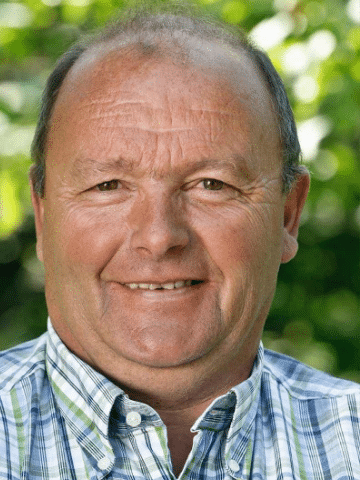
In addition to four hectares of brandied cherries, fruit producer Günter Fallert also cultivates plums and mirabelle plums (50 ares) and Williams pears (40 ares). The fruit also ripens in this order. The "cut-off date" for brandied cherries is July 1, the mirabelle plums ripen in mid to late August, while the Williams pears ripen at the end of August. In 2011, the harvest date shifted forward by 14 days, says the Kappelrodecker. It was not only the vines that blossomed exceptionally early this year. One hectare of fruit trees yields 300 to 400 quintals. While the mirabelle plums are harvested by shaking the tree three to four times, the Williams pears are picked by hand. "We harvest every other day," explains Günter Fallert. Williams pears are delicate fruits and have to be handled very carefully.
The fruit processed by the "spirit makers" at Scheibel distillery is truly top class. Some of them are old, rare varieties that have to be harvested with care and mainly grow in orchards. But there are also exotic varieties that we would like to introduce to you.
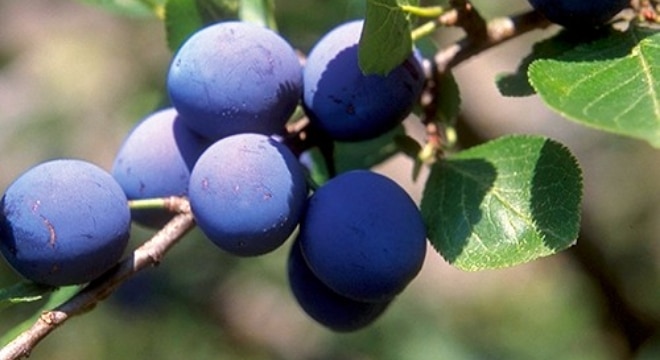
The wild plum has probably been around in this form since the Neolithic Age. Civet trees bloom snow-white and early in the year. The fruits, on the other hand, are harvested late, as they are at their best after the first frost. Distillers discovered their special qualities for distillation. Zibärtle brandy is tart and fruity with a hint of marzipan. The fruit for our Zibärtle from our 'Alte Zeit' collection comes from orchards in the Black Forest.
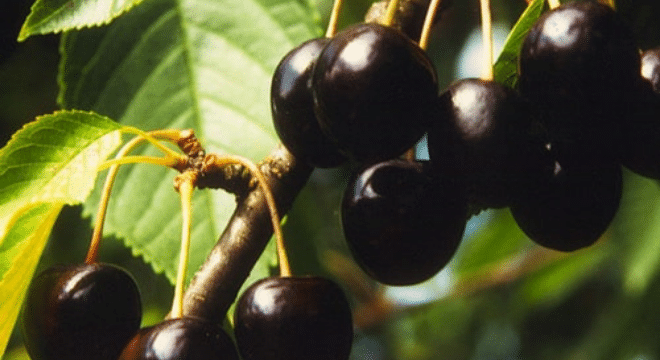
The black cherry originates from the Ortenau region. In the 1960s, people became aware of it and promoted its spread throughout the Black Forest. The tree itself is undemanding, not susceptible to frost and reliably produces a high yield year after year.
The fruit is easy to shake off the tree and the flesh separates easily from the stone. All of these uncomplicated characteristics are welcome additions to what makes the Dolleseppler cherry one of the most sought-after cherry varieties for the production of Black Forest kirsch: the aromatic, very juicy fruits have a slight almond note - a refinement that goes perfectly with fine brandies!
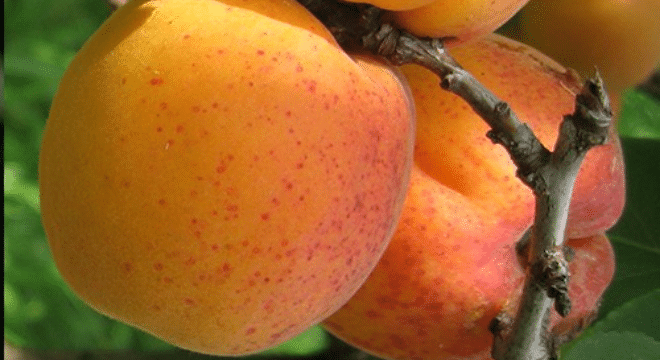
Apricots have been cultivated in their native northern China for over 5,000 years. It was from here that Alexander the Great brought the tree with the delicious fruit to the Mediterranean region, from where the Romans took it across the Alps. Apricots grow well in sandy soil and tolerate heat and drought. Our Fine Apricot, as well as the other apricot products from the various series, perfectly bring out the wonderful aromas of the fruit.
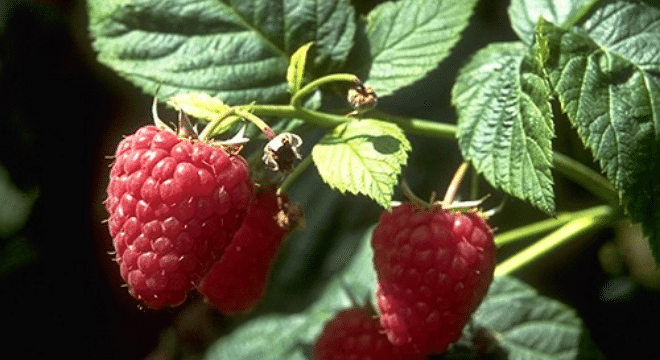
The raspberry has been known as a medicinal plant since ancient times. There are now many tasty varieties, but hardly any are as aromatic as the forest raspberry. The forest raspberries for the "Ghost Makers" come from the pristine nature of the largest contiguous forest area in Europe, the Carpathians. They are picked by hand and transported chilled to the Black Forest. A bottle of Wild Raspberry Brandy from our 'Alte Zeit' series contains up to 7 kg of these small fruits.
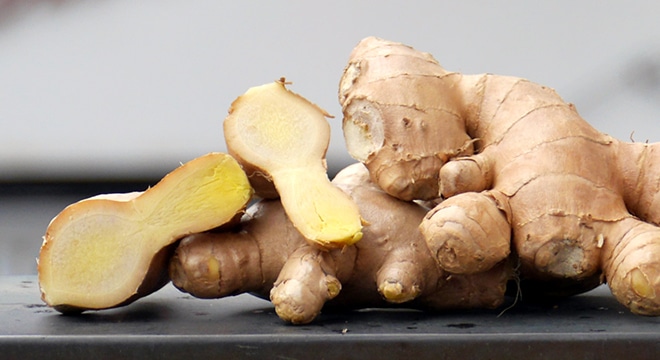
Ginger can be found all over the world. We deliberately chose a ginger from northern Thailand for our PREMIUMplus Ginger Royal spirit. The unique aroma of this variety, which we source from one of the most pristine regions of the Thai kingdom, comes out best in the distillate. An essential component of ginger is gingerol, an aromatic substance that gives ginger its slight spiciness, which can still be tasted in the distillate.


 Opening hours
Gold Distillery Monday-Friday: 8 am - 5 pm Saturday: 10 am - 1 pm Closed on Sundays & public holidays Scheibel Whisky Mill Friday: 1 pm - 5 pm Saturday: 10 am - 1 pm Closed on Sundays & public holidays
Please note special opening hours (start page)!